Startups Head to Congress
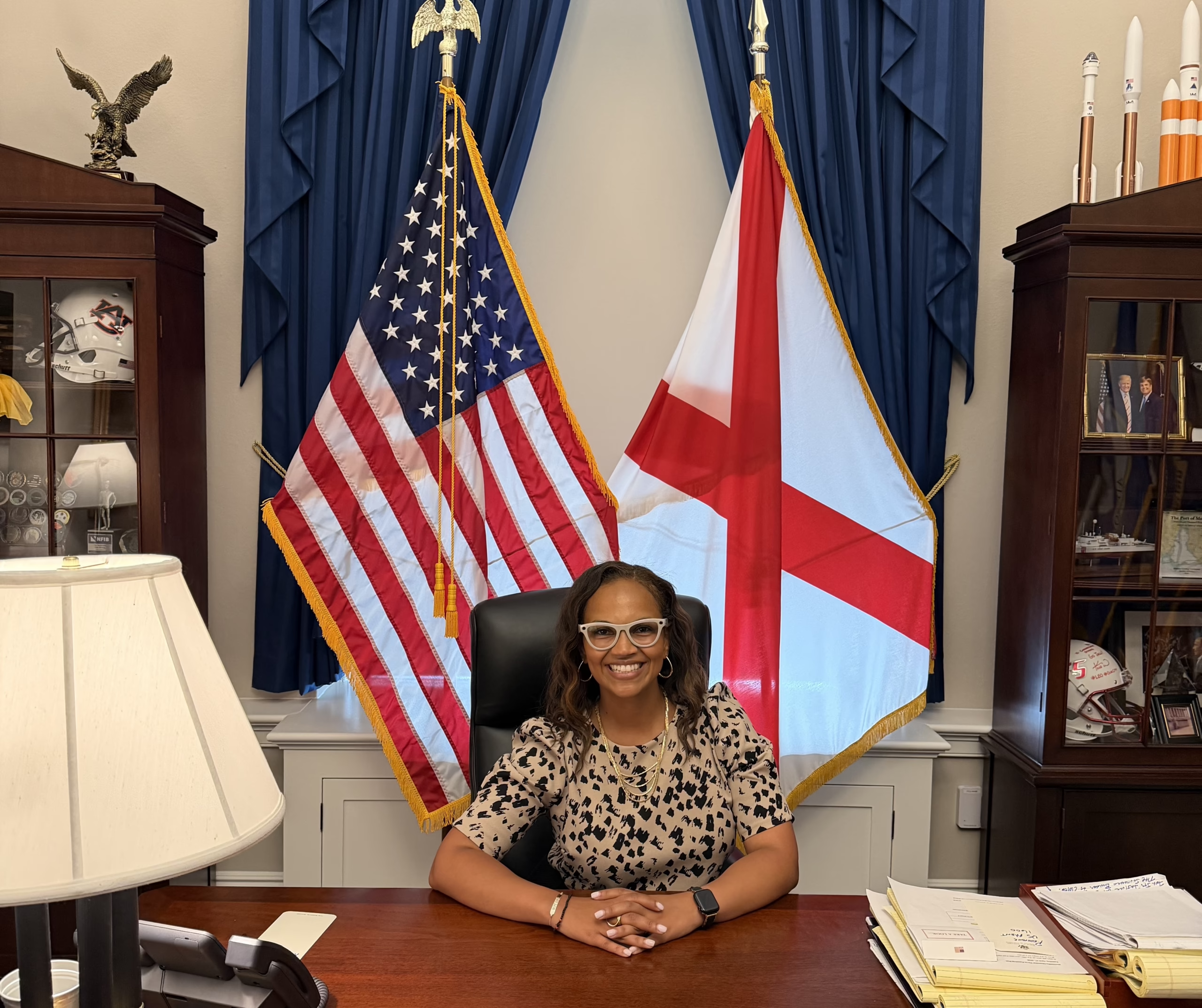
Hear from Tiffany Whitlow, CEO of Acclinate, about her time advocating for responsible AI Policy in Washington, DC!
1. Can you tell me about Acclinate and how you use AI?
Acclinate is a health technology company focused on making healthcare and clinical research more accessible, representative, and trusted. We combine community engagement, behavioral intelligence, and activation infrastructure to help organizations better understand, reach, and engage historically excluded communities.
We use AI as a strategic partner to bridge the trust gap in healthcare. We leverage predictive analytics, behavioral intelligence, and machine learning to better understand community sentiment, participation readiness, and engagement patterns at scale. It helps us identify where enrollment may stall, understand the real needs of communities, and personalize outreach in a way that is compliant, transparent, and human-centered.
2. Why should startup founders care about how legislators think about AI?
Founders should care because the policy decisions being made today shape the future of innovation. Legislators are actively defining the rules around AI governance, data privacy, transparency, and accountability. If those frameworks are designed only with large tech companies in mind, they risk unintentionally creating barriers for smaller startups that are solving important problems in healthcare, equity, and access.
For founders building with AI, especially in highly regulated industries like healthcare, policy directly impacts how we innovate, scale, compete, and earn public trust. We need regulatory frameworks that encourage responsible innovation without limiting the ability of emerging companies to bring transformative solutions to market.
3. You just joined AI Salon’s DC fly-in, connecting founders with Congress. What were you advocating for, and what did you learn?
AI Salon created an important opportunity for founders to engage directly with policymakers about how AI is being used in the real world. We were advocating for responsible AI policies, regulatory clarity, and the importance of representative datasets in healthcare innovation.
One of the biggest takeaways from the experience was that there is both significant curiosity and significant concern around AI on Capitol Hill. Policymakers are looking for practical, real-world examples that move the conversation beyond abstract fears and into tangible impact. When founders can connect AI innovation to real people and real outcomes in their districts, the policy conversation becomes much more productive and human.
4. What do you want policymakers to understand about AI?
We want policymakers to understand that AI is not just an automation tool. It is an opportunity to create better outcomes, improve access, and reduce systemic gaps.
We believe regulation should be thoughtful and nuanced. A national framework is important to avoid a fragmented patchwork of policies, but that framework must balance innovation and accountability. The goal should be creating clear standards that both protect people and allow responsible innovation to thrive.
5. How are you going to continue to engage in advocacy?
Advocacy is not a one-time initiative for us. As AI adoption accelerates, founders have a responsibility to ensure innovation remains grounded in transparency, ethics, trust, and real human impact. We plan to continue working with organizations like AI Salon, policymakers, and industry leaders to help shape conversations around responsible AI, healthcare equity, representative data, and patient trust, as well as bring community voices into these discussions.