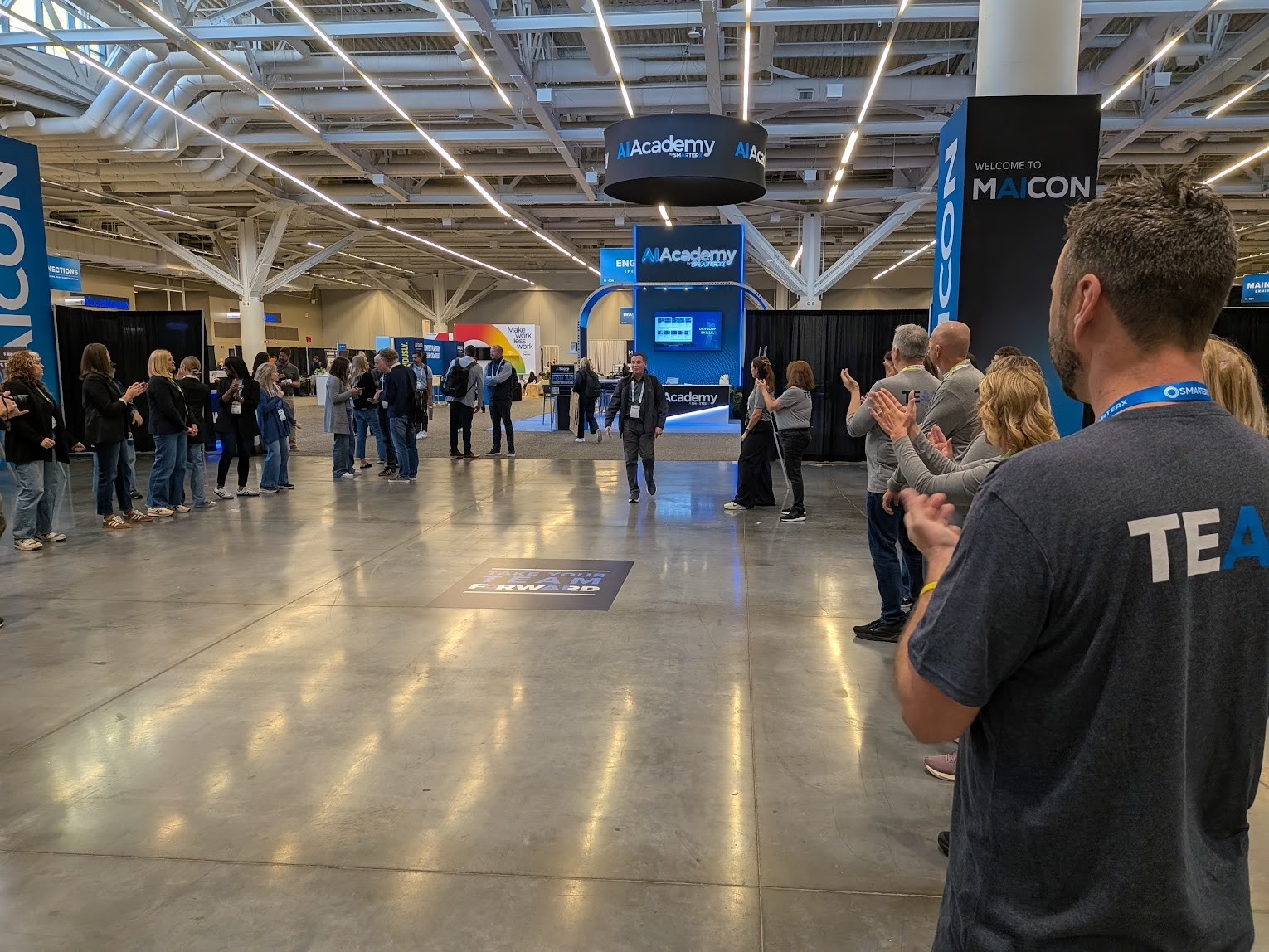
MAICON 2026 Day Two: Cleveland Gets Down to the Work of AI
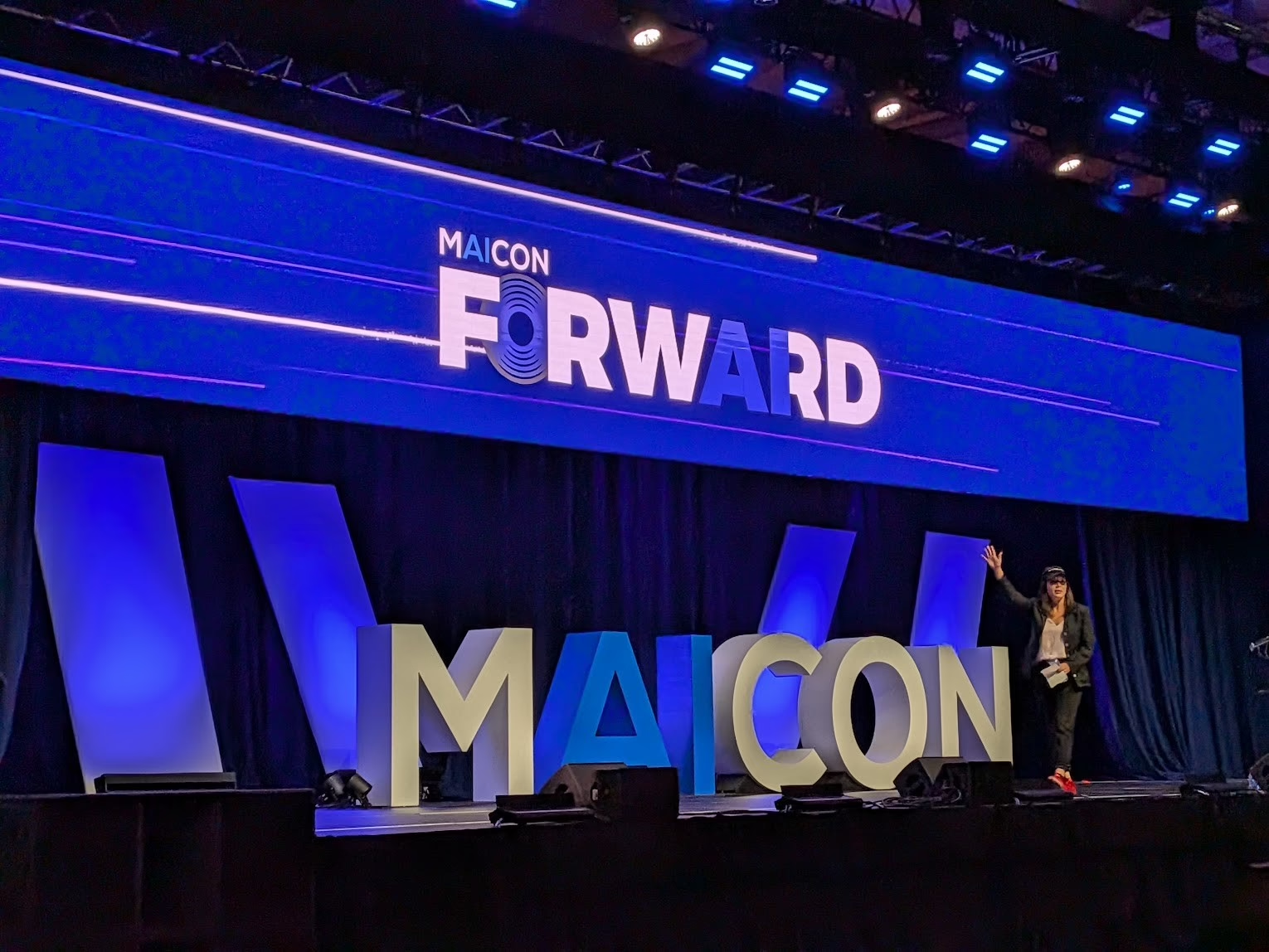
Rachel Woods brought a room full of ideas back to the work of building. Photo: Brandon Tidd.
Hard questions, practical playbooks and pierogies: the final day brought the future of AI back to the people figuring out what to do on Monday.
By Brandon Tidd | AI Salon
Marketers walked into MAICON’s second full day to Queen’s “Don’t Stop Me Now.” After Wednesday’s packed rooms, Expo-floor conversations and networking dinners, the musical choice seemed fitting. In fact, the entire MAICON playlist was dialed in to just the right vibe. That said, the morning quickly made clear that moving forward would require more than enthusiasm.
At the Huntington Convention Center, the final day of the Marketing Artificial Intelligence Conference moved between uncomfortable questions about how AI gets built and very practical demonstrations of how to put it to work. There were playbooks to borrow, assumptions to revisit and conversations that continued well after the speakers left the stage.
That range has become one of MAICON’s strengths: bringing together people eager to build while giving them reasons to think carefully about what they are building on and toward.
Karen Hao brings the harder questions into the room
Journalist Karen Hao, author of Empire of AI, opened with a perspective that challenged the room’s momentum. Her presentation and conversation with Paul Roetzer examined the human and environmental costs behind the technologies many of us are learning to use.
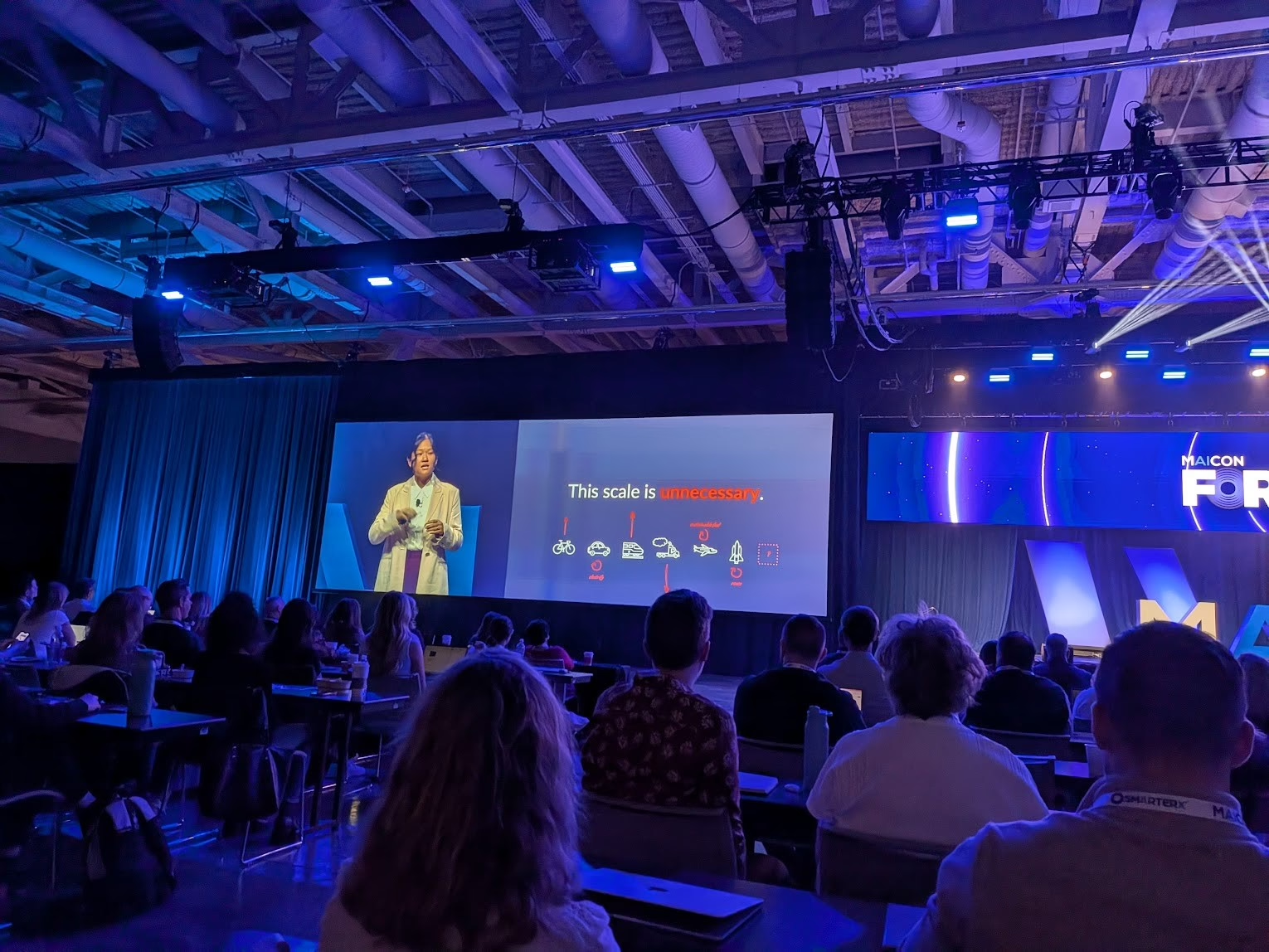
Hao’s critique focused on the industry’s pursuit of scale: the labor involved in preparing and moderating training data, the resources consumed by computing infrastructure and the concentration of power in the companies developing the largest systems. She argued for greater attention to smaller, purpose-built AI systems and to the communities affected by decisions about development and deployment.
It was a substantial conversation, and a conference dispatch cannot do justice to all of its claims or the debate around them. Still, it belonged in this room. Roetzer introduced the session by acknowledging that a responsible, human-centered approach requires understanding the technology’s human impact. People who hesitate to adopt AI may have concerns that deserve a hearing. Listening to those concerns is part of leading a team through change.
MAICON deserves credit for making space for that discussion. Readers who want the fuller context can find Hao’s session among the selected recordings in the MAICON On-Demand Bundle.
Mike Kaput brings the conversation back to content
Mike Kaput followed with a problem familiar to almost anyone working in marketing: AI makes it easier to produce more content, while the people we hope will read it still have limited attention.
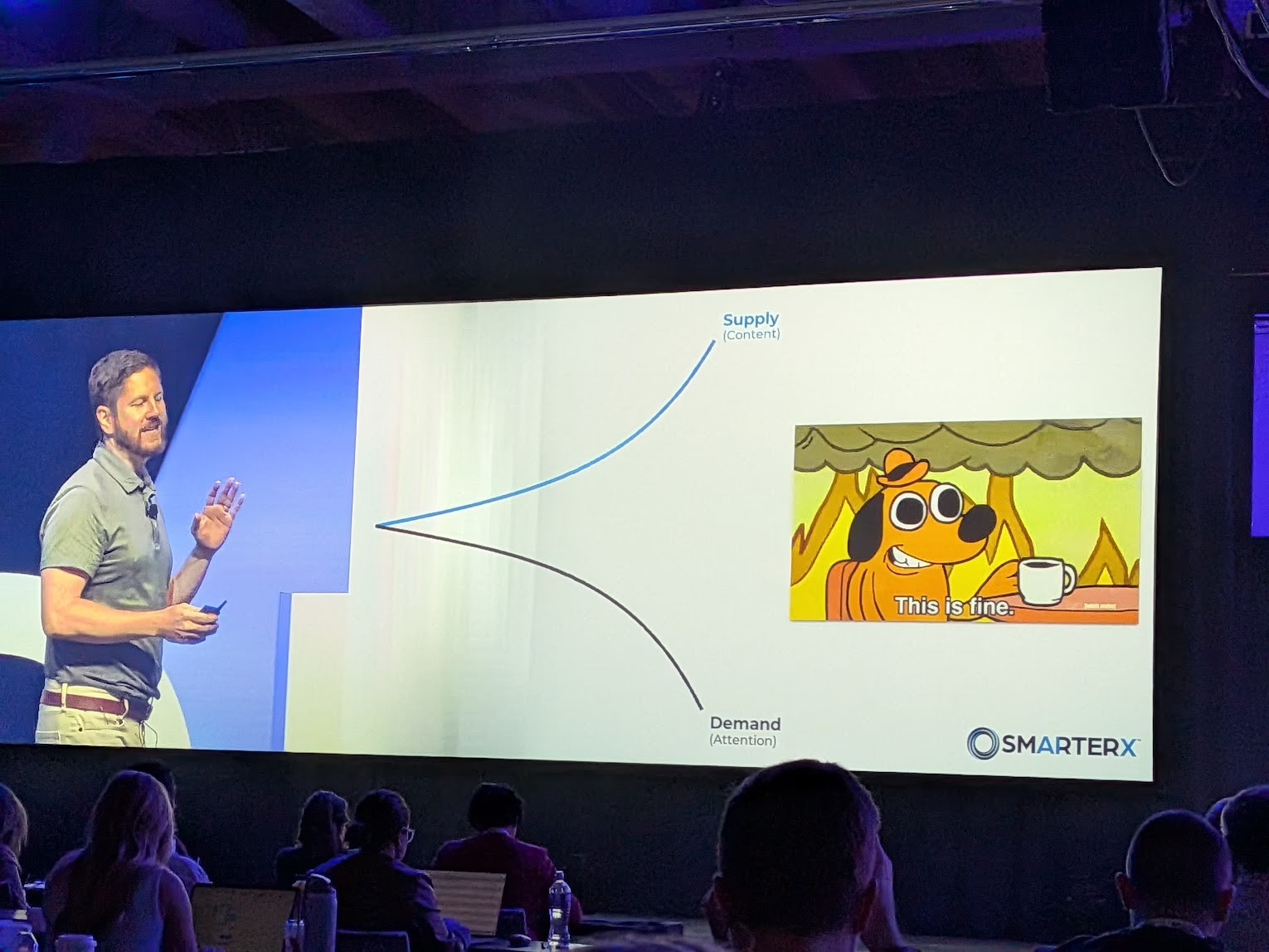
“It doesn't really matter if you're running faster and faster if you're running in the wrong direction.” — Mike Kaput, MAICON 2026
Kaput framed his presentation as thinking still in development, drawing on the content operation he helps run at SmarterX. That candor made the practical material more useful. He was sharing a working approach, with some pieces already in use and others still being built.
He also described SmarterX’s progress toward shared knowledge that both people and AI can use, while distinguishing that work from the more proactive agent systems the organization is still developing.
There was also a lesson for storytellers: getting closer to people becomes more valuable as the supply of easily generated material grows. The interview, the customer’s unexpected answer and the experience someone has actually lived all remain valid reasons to pay attention.
Rachel Woods generously leads the way into playbooks
Rachel Woods arrived with an invitation to build and the energy to get a very large room involved.
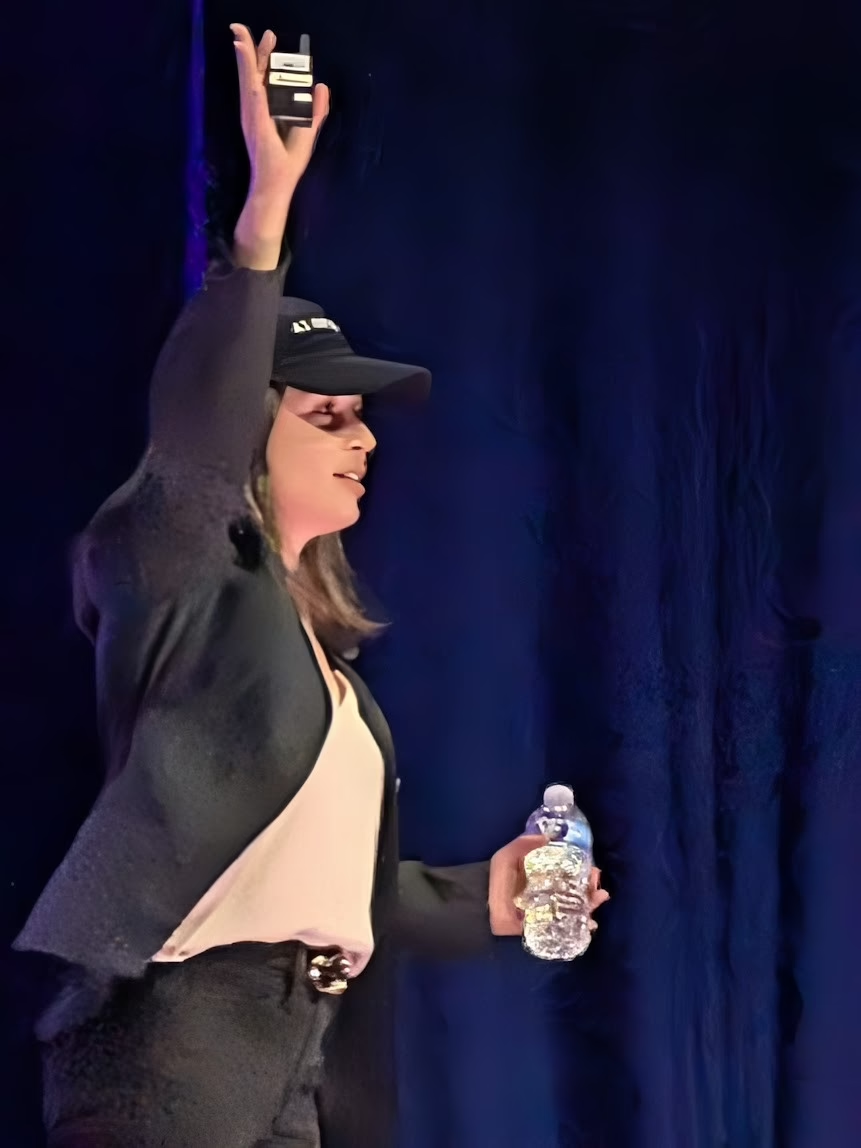
Her session, Build the Project Plan That Runs Itself, was a crash course in turning recurring work into a playbook an AI system can follow. It also felt like a generous response to a room full of people who had spent the conference writing down things they wanted to try.
She began with problems that needed little explanation: a project already behind schedule, instructions you have explained more than once, a task you tried to delegate before deciding it would be faster to do it yourself. Attendees stood as the examples applied. There was plenty of recognition in the room.
Woods called it operational debt. Her approach started by making the work explicit enough to hand off. She gifted attendees a template and walked through how to adapt it. Her advice was refreshingly manageable: begin with a useful version, even if that means running the process in a chat and moving the result into your project tool yourself. Prove that it helps before adding integrations and complexity.
This is the kind of generous leading we love at the AI Salon. Woods shared the method, helped people understand why it worked and left them with something they could continue developing after the session.
The conversation continues over pierogies

Lunch brought a Cleveland staple to the table. The pierogies were welcome, and so was the chance to compare notes with people working through these questions inside very different organizations.
In conversations with attendees from Sherwin-Williams, Ford and Springer Publishing, I heard a shared conviction that a head-in-the-sand approach was no longer workable. Each was enthusiastic about the AI innovation happening within their company and interested in what might come next.
These were informal lunch conversations, rather than official company statements, but the alignment was striking. Different industries, different histories and a common interest in finding a constructive way forward.
Even established agencies were sending scouts, and Cleveland knows something about established organizations learning new ways to work. Around the lunch table, at least, AI adoption sounded like a practical responsibility people were already taking on.
After lunch, I also had a chance to catch up with Cathy McPhillips, Chief Marketing Officer at SmarterX. My question was deceptively simple: What stood out to you most this year?
“What I loved most was seeing people show up for each other. People who came on their own finding their people. Alumni welcoming first-time attendees. Conversations that kept going long after a session ended because someone had a question and someone else wanted to help. The questions about AI are getting deeper, and people are open about what’s working and what they’re still figuring out. That willingness to share and bring others along means so much to me. We put a lot into creating this experience, but the people in the room make MAICON what it is.”
The encounter belonged to a larger part of the MAICON experience: the conversations between scheduled sessions. People compared what they were trying, helped one another make sense of what they had heard and found others working through similar challenges.

The Final Inning
Before Paul Roetzer and Mike Kaput could bring the conference home, there was a local matter to address: the Guardians game happening just down the street. Even at a gathering focused on the future, Cleveland had a little attention reserved for the present inning.
Their closing conversation, From Ideas to Action, returned to the questions Roetzer had posed at the beginning of the conference. How will current roles evolve? What new ones will emerge? Which skills will remain human? What happens to workflows, middle managers and the entry-level employees trying to get started?
Kaput drew together lessons from across the program, using session notes, help from the team and some assistance from Codex. The discussion became a useful check on what attendees might reasonably take home from everything they had seen.
Roetzer pointed to reskilling and moving people into new responsibilities as a leadership starting point. He also acknowledged how difficult that can be. Someone who has spent years developing a craft may have little interest in designing agent workflows. Trying to do right by employees means taking those differences seriously.
Institutional knowledge still matters during that transition. Someone who understands how procurement works, how teams collaborate and where projects get stuck brings something valuable to the task of changing those systems. New responsibilities may emerge through that work before anyone settles on a new job title.
That brought the closing discussion back to the apprenticeship question from Wednesday. If AI takes on the assignments that once gave beginners practice, organizations have to be deliberate about how the next generation develops judgment. Roetzer’s advice to students and professionals was to pursue the field they care about while becoming skilled at using AI responsibly within it, then help others learn alongside them.
His final instruction made the accumulated ideas feel manageable: “Pick a thing that can make a difference.”
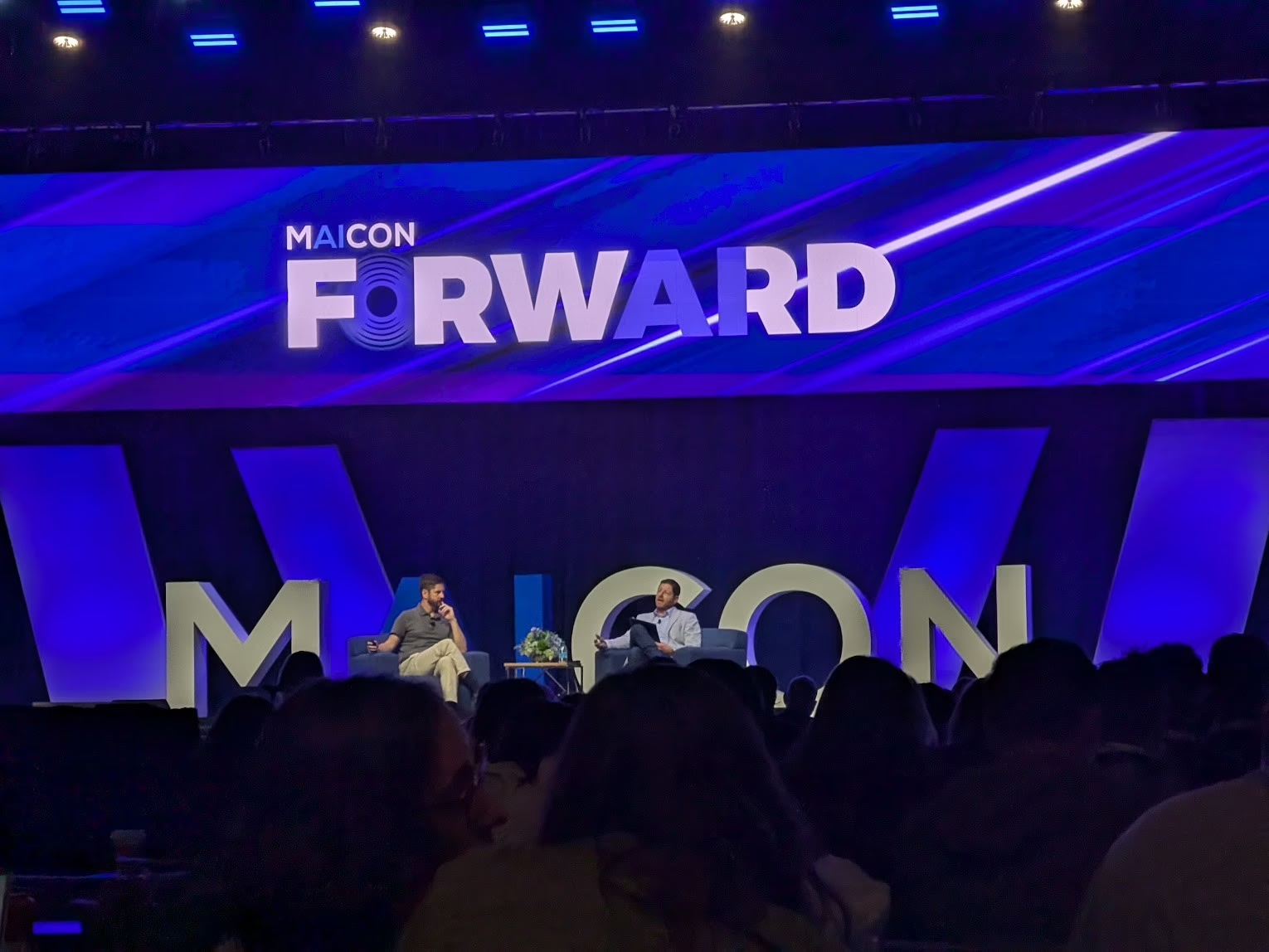
In your career, your company or your children’s lives, find a next step worth taking. Give yourself some grace about the rest.
After two full days of imagining what comes next, that felt like a good way to leave Cleveland, and Aerosmith’s “Dream On” was the perfect soundtrack to send attendees out on.
Bring the momentum home
MAICON hit it out of the park this year, if for no other reason than the range of work it asked attendees to do: listen to a challenging perspective, reconsider a familiar strategy, build something useful and compare notes with the person beside them. There was plenty of excitement. There were also concrete ways to carry it home.
One place to begin is AI Score by SmarterX, now in public beta. Its free business and personal assessments offer a way to examine where you stand and identify areas for further work. Treat the result as a starting point for a conversation about what to learn or improve next.
If you missed a session, or want another pass through material that arrived faster than your notes could keep up, explore the MAICON 2026 On-Demand Bundle. Check the included-session list for the talks you want to revisit.
And save the date: MAICON returns October 5–7, 2027. Keep an eye on MAICON’s website for details. Until then, keep the conversation going in the AI Salon. Bring the playbook you are trying, the question you are still wrestling with or the first experiment that went sideways.